.webp)
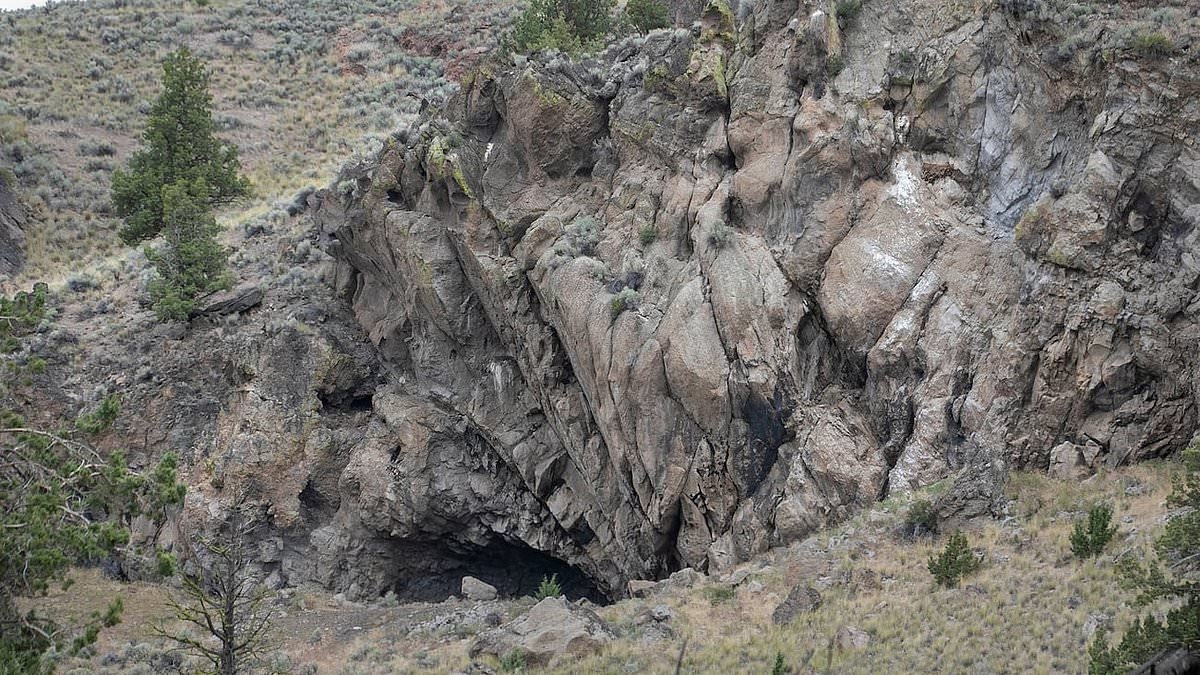
Prehistoric discovery in Oregon cave older than Egypt's Great Pyramid rewrites human history
A recent discovery in a cave in Oregon has revealed artifacts that are believed to be over 15,000 years old, predating the construction of Egypt's Great Pyramid by several millennia. This finding is significant as it challenges existing timelines of human habitation in North America.
What happened
Archaeologists uncovered stone tools and other artifacts during an excavation in a cave located in the southern part of Oregon. Radiocarbon dating indicates these items date back to a period long before previously established estimates for human presence in the region. The excavation was part of a broader research initiative aimed at understanding early human migration patterns across North America.
Why this is gaining attention
This discovery is attracting widespread attention due to its implications for the understanding of human history. The age of the artifacts suggests that humans may have inhabited North America much earlier than previously thought, potentially altering historical narratives about migration and settlement patterns on the continent.
What it means
The findings could prompt a reevaluation of archaeological methodologies and timelines related to early human activity in North America. Researchers are expected to conduct further studies to analyze the artifacts and their context, which may lead to new insights into the lives of prehistoric peoples and their movements across the continent.
Key questions
- Q: What is the situation?
A: Archaeologists discovered artifacts in an Oregon cave that are over 15,000 years old. - Q: Why is this important now?
A: The age of these artifacts challenges current timelines regarding human habitation in North America.













 English (US) ·